La Ruta de la Seda, siglo XIII
Wayward
De Goryeo a El Cairo: documentales, videos cortos y una trilogía de novelas.
En pantallaNails, Pegs or Cord? How Silk Road Ships Were Built
Nuevo en YouTube
Películas recientes
Las películas están narradas en inglés.
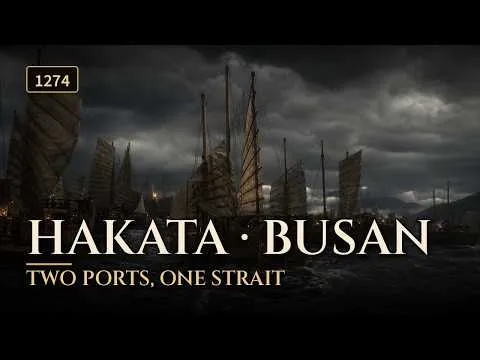 The Mongol Invasions of Japan, 1274 and 1281: The Two Ports Behind ThemLeer la carta →
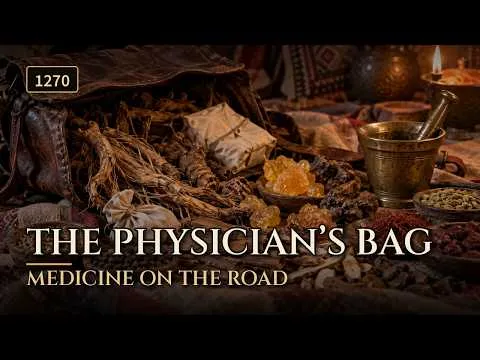 Three Fingers on the Wrist: How Medicine Crossed the Silk RoadLeer la carta →
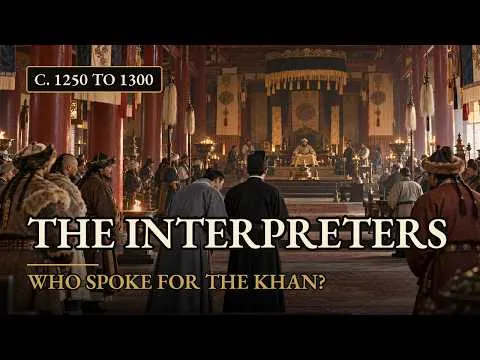 The Interpreters: Who Translated for the Mongol Empire?Leer la carta →
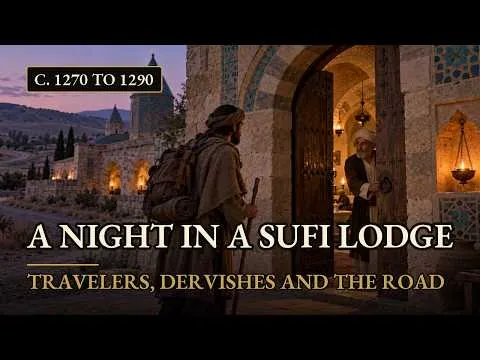 A Night in a Sufi Lodge: Travelers, Dervishes and the RoadLeer la carta →
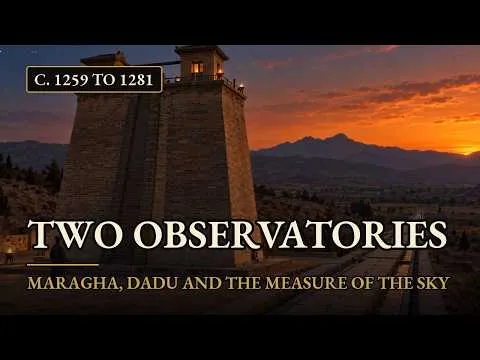 A Two-Millimeter Hole That Measured the Sky: Mongol-Age ObservatoriesLeer la carta →
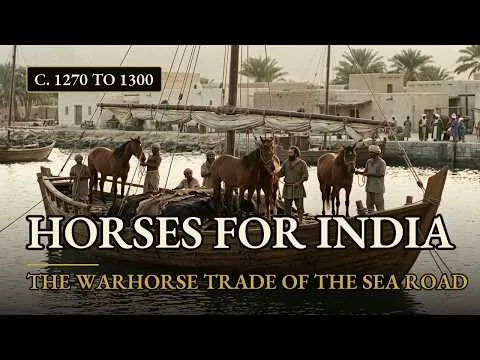 Horses for India: The Warhorse Trade of the Sea RoadLeer la carta →
c. 1270
Los caminos, por tierra y por mar
Toca una ciudad para encontrar su película. Las líneas doradas son los caminos de las caravanas; las azules, las rutas marítimas.
Todas las ciudades del mapa
- Janbalic (Pekín, China): Two Monks from Khanbaliq: The Church of the East in Mongol Asia
- Karakórum (Jarjorin, Mongolia): Möngke Khan’s 1254 Debate: Christians, Muslims and Buddhists Face Off
- Busan (Busan, Corea del Sur): The Mongol Invasions of Japan, 1274 and 1281: The Two Ports Behind Them; 900 Ships in Five Months: What Goryeo Paid for Kublai Khan’s Fleet
- Haeinsa (Templo de Haeinsa, Corea del Sur): 80,000 Woodblocks Carved as a Prayer: How Goryeo Survived the Mongols
- Hakata (Fukuoka, Japón): The Mongol Invasions of Japan, 1274 and 1281: The Two Ports Behind Them; Japan’s 20-Kilometer Stone Wall Against the Mongols: Hakata Bay, 1276; Kamikaze 1281: Typhoon, Wall or Myth? What Stopped Kublai Khan’s Fleet
- Zaitún (Quanzhou, China): Quanzhou (Zaytun): The Port of Many Faiths and a 700-Year-Old Shipwreck
- Cantón (Cantón, China): Canton (Guangzhou) in 1270: The Plain Tower and the Legend of Five Rams
- Chang’an (Xi’an, China): One City, Five Names: From Tang Chang’an to Modern Xi’an
- Samarcanda (Samarcanda, Uzbekistán): Samarkand After Genghis Khan: The City That Walked Away
- Bujará (Bujará, Uzbekistán): Bukhara: The Minaret That Survived Genghis Khan
- Ray (Teherán, Irán): The Silk Road City Buried Under Tehran: Ray (Rayy)
- Tabriz (Tabriz, Irán): Venetians in a Mongol Bazaar: Tabriz in 1270
- Ani (cerca de Kars, Turquía): Ani: The Ghost City of 1001 Churches on the Medieval Silk Road
- Bagdad (Bagdad, Irak): Baghdad After 1258: What the Mongols Left Standing
- Damasco (Damasco, Siria): Damascus 1260: The Mongols Walk In, the Mamluks Return Within Months
- Constantinopla (Estambul, Turquía): Constantinople 1261: How Byzantium Took Back Its Capital
- El Cairo (El Cairo, Egipto): The Refugee Caliph and the Sultan Bought as a Slave: Cairo in 1270; Free Care in Medieval Cairo: Inside the Hospital of Qalawun, 1284
- Alejandría (Alejandría, Egipto): The Lighthouse of Alexandria in 1270: Did It Still Stand?
- Adén (Adén, Yemen): A Port Inside a Volcano: Aden, the Sultan’s Customs Harbor of 1270
- Kish (isla de Kish, Irán): Kish in 1270: The Persian Gulf Trading Island Before Hormuz Took Over
- Ormuz (cerca de Minab, Irán): Ships Sewn With Coconut Twine: The Real Hormuz of 1270
- Khambhat (Khambhat, India): Beads for East Africa, Cloth for Egypt: Khambhat, the Port of 1270
- Kollam (Kollam, India): Kollam: The Pepper Port Where Arab Traders Changed Ships
- Islas Banda (Molucas, Indonesia): The Seed That Helped Start a Stock Market: The Nutmeg Road
En menos de un minuto
Shorts
 Mongol Khans Wanted Silk Woven With Gold: Nasij Cloth
 In 1621 the Dutch Conquered Banda, the Home of Nutmeg
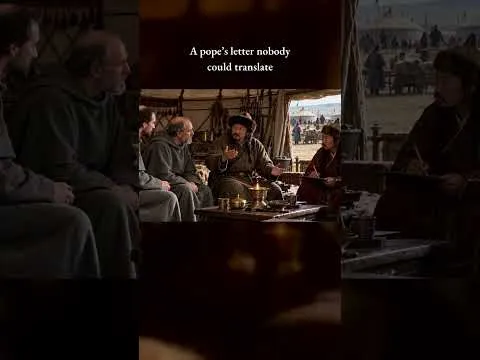 The Pope’s Letter Nobody at the Mongol Camp Could Translate
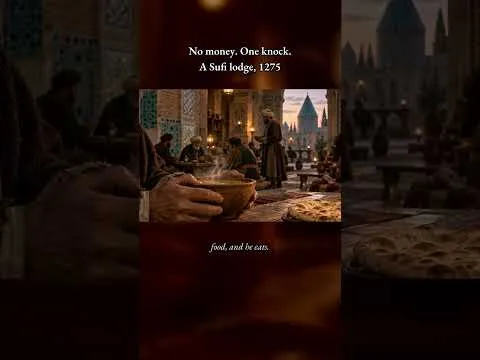 No Money, One Knock: A Night at a Sufi Lodge, 1275
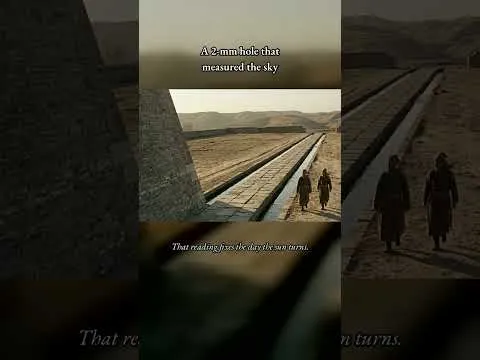 A Two-Millimeter Hole That Measured the Sky: Dengfeng
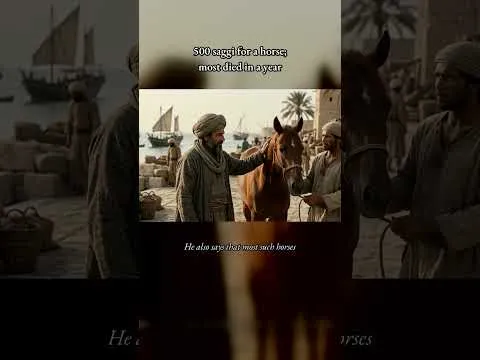 Marco Polo: A Horse for 500 Saggi of Gold, Most Dead in a Year
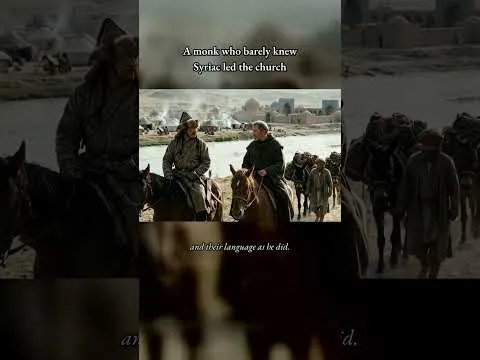 The Patriarch Who Hardly Knew Syriac but Knew the Mongols
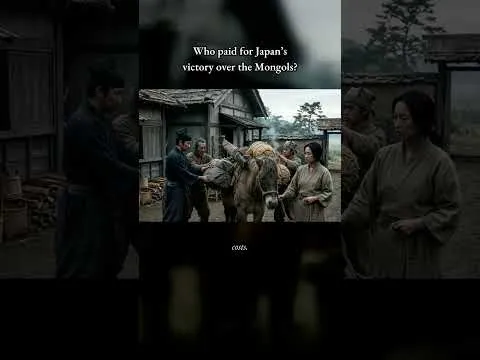 Who Paid for Japan’s Victory Over the Mongols?
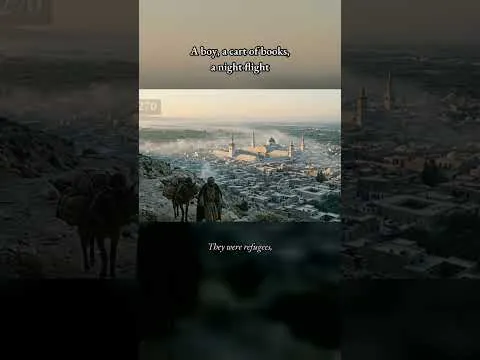 A Boy, a Cart of Books and a Night Flight From Harran
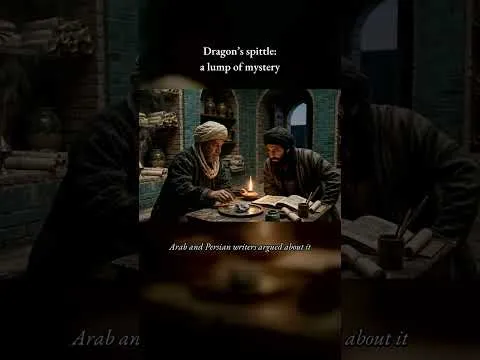 Dragon’s Spittle: The Gray Lump No One Could Explain
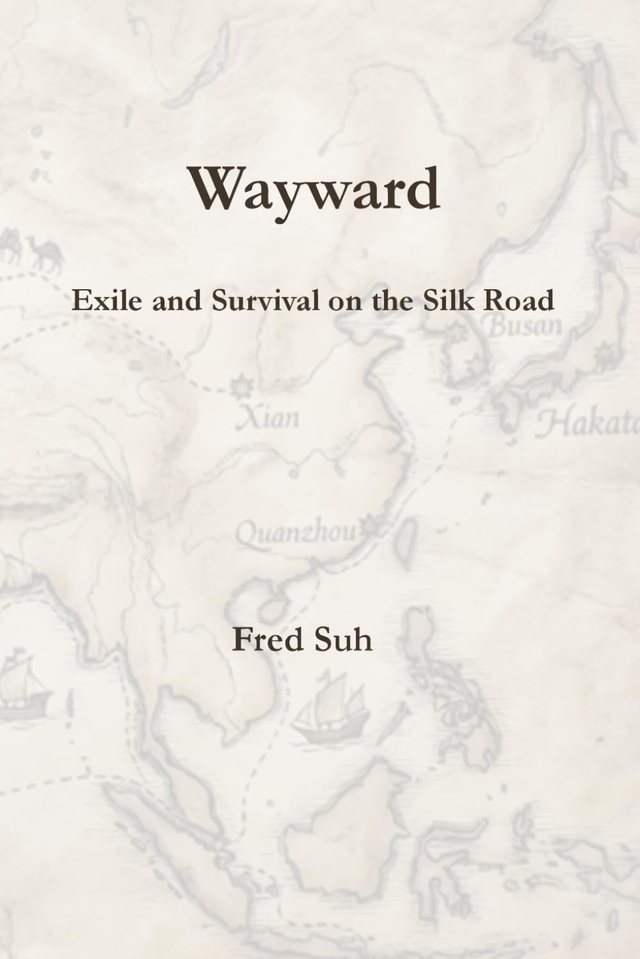
Las novelas
La trilogía Wayward
Una trilogía de novelas ambientada en la Ruta de la Seda del siglo XIII, de Goryeo a El Cairo.
Wayward: Exile and Survival on the Silk Road
“How does a Goryeo physician end up in Cairo?”
The Pax Mongolica has connected the world in blood and commerce. From the Pacific to the Mediterranean, caravans and carracks move fortunes in spice, silk, and swords.
Yujin, a young physician from the subjugated kingdom of Goryeo, never meant to travel these roads. He wanted only to tend his father’s clinic by the sea. But the demands of the Mongol war machine tear him from his home and cast him adrift on the tides of history.
Shipwrecked on a foreign shore, Yujin becomes a reluctant traveler on the greatest trade network humanity has ever known. He carries no sword, only the medical knowledge of his trade and a mind trained to see what others miss.
Wayward plunges into the vibrant, brutal reality of the 13th century, a world where a healer must learn to mend more than bodies while walking the long, dusty road of exile.
Book One of a trilogy.
Como asociado de Amazon, gano dinero con las compras que cumplen los requisitos.
El boletín
Cartas desde la Ruta de la Seda
Una carta por cada película nueva: la historia que hay detrás, las fuentes y un mapa.
Las cartas se escriben en inglés y se traducen con ayuda de IA.
 Nov 5, 2026A Kingdom Kept
 Nov 5, 2026Horn, Sinew and Powder
 Nov 4, 2026One Edge of the World